
Introduction
The Strait of Hormuz is one of the most strategically vital waterways in the world. The Strait of Hormuz importance goes far beyond geography. It is the narrow maritime passage connecting the Persian Gulf to the Gulf of Oman and the Arabian Sea, and it serves as the primary Hormuz shipping route for global energy supplies. Nearly one-fifth of the world’s oil consumption moves through the Strait of Hormuz oil trade corridor, making the Strait of Hormuz map a focal point for policymakers, economists, and military strategists.
When tensions rise in the Middle East, global markets react instantly. Oil prices spike. Shipping insurance rates climb. Naval fleets mobilize. What this really means is simple: the Strait of Hormuz sits at the intersection of energy security, geopolitics, and global economic stability. Understanding this chokepoint is essential for anyone following international affairs.
Where Is the Strait of Hormuz Located?
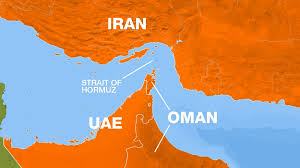
The Strait of Hormuz lies between Iran to the north and Oman and the United Arab Emirates to the south. It connects the Persian Gulf with the open waters of the Arabian Sea. At its narrowest point, the strait is roughly 33 kilometers wide, but the shipping lanes in each direction are only about two miles wide, separated by a buffer zone.
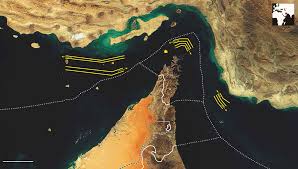
A quick look at any detailed Strait of Hormuz map shows how tight this passage is. Massive oil tankers, container ships, and military vessels all pass through this confined corridor daily. Despite its narrow size, it handles enormous traffic.
The geography creates a natural bottleneck. There is no easy alternative route for Gulf oil exports. Pipelines can bypass some volume, but not enough to replace the Hormuz shipping route entirely. This physical reality explains the persistent global focus on the Strait of Hormuz importance.
Why the Strait of Hormuz Is So Important
1. The Lifeline of Global Oil Markets
The Strait of Hormuz oil trade accounts for roughly 20 percent of global petroleum consumption. Major oil producers including Saudi Arabia, Iraq, Kuwait, and the United Arab Emirates export most of their crude through this corridor.
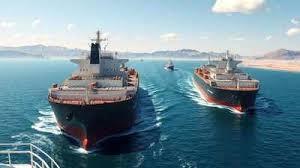
Liquefied natural gas exports from Qatar also pass through this route. This makes the strait not only central to oil markets but also critical for natural gas supplies to Asia and Europe.
If the Strait of Hormuz were blocked, even temporarily, the impact would ripple across global economies. Oil prices would likely surge within hours. Energy-importing nations would scramble to secure supplies. Inflationary pressure could follow.
This is why the Strait of Hormuz importance cannot be overstated. It is not just a regional passage. It is a global economic artery.
2. A Strategic Military Chokepoint
Beyond energy, the strait holds enormous military significance. Its narrow width allows coastal states to monitor and potentially control maritime traffic. Iran, positioned along the northern coast, has frequently emphasized its ability to influence shipping through the Hormuz shipping route.
The United States and allied naval forces maintain a strong presence in nearby waters to ensure freedom of navigation. This ongoing military balance reflects how crucial the Strait of Hormuz map is to defense planners.
The strait’s geography creates a scenario where small-scale incidents can escalate quickly. Even minor confrontations between patrol boats and commercial vessels can draw global attention.
Historical Background of the Strait of Hormuz
The Strait of Hormuz has been a vital trade corridor for centuries. Long before oil defined its relevance, merchants used this route for spice, silk, and other goods linking the Middle East with South Asia and East Africa.
In the 20th century, the discovery of vast oil reserves in the Persian Gulf transformed the strait into a strategic prize. During the Iran-Iraq War in the 1980s, the so-called Tanker War saw attacks on oil tankers transiting the strait. The conflict highlighted how vulnerable global supply chains were to regional instability.
Since then, periodic tensions have reminded the world of the Strait of Hormuz importance. Every time diplomatic relations strain, markets watch this narrow waterway closely.
How the Strait of Hormuz Oil Trade Works
Daily Shipping Traffic
Each day, dozens of large crude carriers pass through the Hormuz shipping route. These vessels carry millions of barrels of oil to destinations in Asia, Europe, and North America.
The shipping lanes are carefully managed. International maritime regulations designate inbound and outbound channels to reduce the risk of collision. Still, congestion remains a concern due to high traffic density.
Major Exporting Countries
The majority of oil transported through the Strait of Hormuz originates from:
- Saudi Arabia
- Iraq
- Kuwait
- United Arab Emirates
- Qatar
These countries rely heavily on this maritime corridor for revenue. For some, nearly all seaborne oil exports depend on it.
Insurance and Risk Premiums
Shipping companies factor geopolitical risk into their costs. When tensions rise near the Strait of Hormuz, insurance premiums for tankers increase sharply. This cost is often passed along the supply chain, contributing to higher fuel prices globally.
The Strait of Hormuz oil trade is therefore sensitive not just to physical disruptions, but also to perceived threats.
The Geopolitical Dynamics Surrounding the Strait
Iran’s Strategic Position
Iran’s coastline runs along the northern side of the strait. This geographic advantage gives it influence over the Hormuz shipping route. Iranian officials have periodically stated that if their oil exports are restricted, they could disrupt traffic in the strait.
Such statements are often part of broader diplomatic negotiations. Still, they underscore the Strait of Hormuz importance as leverage in international relations.
United States Naval Presence
The United States maintains a naval presence in the region to ensure freedom of navigation. Allied nations also contribute patrol vessels and surveillance operations.
This constant military oversight aims to deter disruptions and maintain stability. However, it also adds another layer of complexity to the region’s security dynamics.
Regional Rivalries
The Persian Gulf region has long been shaped by rivalries between regional powers. These tensions occasionally spill into maritime incidents. The Strait of Hormuz map becomes a chessboard where diplomatic, military, and economic interests intersect.
Economic Impact of a Strait of Hormuz Disruption
Let’s break it down. If the Strait of Hormuz were closed or severely disrupted, several immediate consequences would follow:
- Oil Prices Would Spike
A sudden reduction in supply would trigger price surges in global markets. - Stock Markets Could React Negatively
Energy-intensive industries would face higher costs. - Shipping Delays Would Multiply
Tankers would queue or reroute, creating logistical bottlenecks. - Inflation Could Rise
Higher fuel costs typically translate into higher consumer prices.
Even a brief interruption in the Hormuz shipping route could cause measurable economic damage worldwide.
Alternatives to the Strait of Hormuz
Several Gulf countries have developed pipeline infrastructure to reduce dependence on the strait. For example:
- Saudi Arabia operates pipelines that transport oil to the Red Sea.
- The UAE has a pipeline connecting inland oil fields to the port of Fujairah on the Gulf of Oman.
However, these alternatives cannot fully replace the volume handled by the Strait of Hormuz oil trade. The majority of exports still rely on maritime transit through the strait.
This reinforces the Strait of Hormuz importance as an irreplaceable corridor in global energy logistics.
Environmental Risks in the Strait of Hormuz
The high concentration of tanker traffic raises environmental concerns. An accident involving a large oil tanker could have severe ecological consequences for the Persian Gulf and surrounding coastlines.
Oil spills in such a narrow and heavily trafficked waterway would be difficult to contain. The region’s marine biodiversity, fisheries, and coastal communities would face significant risks.
Environmental protection efforts therefore form another layer of strategic planning related to the Strait of Hormuz map.
The Strait of Hormuz and Global Energy Security
Energy security refers to the reliable availability of energy at affordable prices. The Strait of Hormuz sits at the center of this concept.
Countries that import oil from the Gulf region closely monitor developments in the strait. Strategic petroleum reserves exist partly as insurance against potential disruptions in chokepoints like this one.
The Strait of Hormuz importance extends into long-term energy planning. Governments assess whether diversification of energy sources, renewable investments, and new pipeline infrastructure can reduce vulnerability.
Technology, Surveillance, and Modern Naval Strategy
Modern satellite systems, drones, and radar networks constantly monitor activity in the Hormuz shipping route. Advances in maritime technology have improved vessel tracking and early warning capabilities.
Naval forces use layered defense systems to deter potential threats. These measures aim to prevent escalation and ensure the continuous flow of the Strait of Hormuz oil trade.
However, technological sophistication does not eliminate geopolitical risk. It simply manages it more effectively.
The Strait of Hormuz in Global Media and Policy Discussions
The Strait of Hormuz frequently appears in international headlines during periods of tension. Analysts examine every development carefully, from tanker seizures to military exercises.
Policy think tanks and energy agencies publish detailed assessments of the Strait of Hormuz map and its strategic implications. Financial markets respond quickly to news involving the strait, demonstrating its outsized influence relative to its geographic size.
Future Outlook for the Strait of Hormuz
Energy Transition and Its Impact
As the world gradually shifts toward renewable energy, some argue that reliance on the Strait of Hormuz oil trade may decline. However, fossil fuels continue to dominate global energy consumption.
Even under optimistic transition scenarios, oil and gas will remain essential for decades. That means the Hormuz shipping route will continue to matter.
Regional Diplomacy
Improved diplomatic relations between regional powers could reduce tensions. Stability in the Persian Gulf would enhance predictability for global markets.
On the other hand, unresolved conflicts and sanctions regimes could keep the Strait of Hormuz importance firmly in the spotlight.
Key Facts About the Strait of Hormuz
- Connects the Persian Gulf to the Gulf of Oman
- Handles roughly 20 percent of global oil consumption
- Narrowest point approximately 33 kilometers wide
- Critical for both oil and liquefied natural gas exports
- Monitored by major naval powers
These facts illustrate why the Strait of Hormuz is often described as the world’s most important energy chokepoint.
Frequently Asked Questions About the Strait of Hormuz
Why is the Strait of Hormuz important?
The Strait of Hormuz importance lies in its role as the primary transit route for a significant portion of global oil and gas exports. Any disruption affects global energy prices and economic stability.
Who controls the Strait of Hormuz?
The strait lies between Iran and Oman, but international maritime law governs navigation rights. Multiple naval forces patrol the area to maintain open shipping lanes.
What would happen if the Strait of Hormuz closed?
Oil prices would likely surge immediately, global markets would react negatively, and energy-importing nations would rely on strategic reserves.
Conclusion
The Strait of Hormuz is far more than a narrow stretch of water on the map. It is a strategic chokepoint that shapes global oil trade, military strategy, and geopolitical negotiations. The Strait of Hormuz importance stems from its unique position as the gateway for a substantial share of the world’s energy supplies.
The Hormuz shipping route supports economies across continents. The Strait of Hormuz oil trade influences everything from fuel prices at the pump to inflation rates in major cities. A glance at the Strait of Hormuz map reveals a small corridor with massive consequences.
As long as the global economy depends heavily on fossil fuels, this waterway will remain central to international policy debates. Understanding the Strait of Hormuz is not optional for those who want to grasp the realities of global power and energy security. It is essential.
External Links
- U.S. Energy Information Administration – Analysis of global oil chokepoints
- International Energy Agency – Energy security reports
- United Nations Convention on the Law of the Sea – Maritime navigation laws