
















Apple Watch SE
The Apple Watch SE runs watchOS 7.0 and uses the Apple S5 chip for faster performance and responsive apps. It doesn’t have a built-in camera. The Always-On Retina LPTO OLED screen now stays visible without raising your wrist. Battery lasts about 18 hours with fast charging support. It tracks heart rate, workouts, sleep scores, and adds sleep apnea alerts and temperature sensing.
Key Features
- 15 September 2020
- watchOS 7.0, upgradable to watchOS 10.6.1
- Apple S5
- 32GB
- eSIM
-
1.78 inches
448 x 368 pixels
-
1GB
LPDDR4
-
No
-
Li-Ion 296 mAh
Wireless
Technical Specifications
Speed
HSPA, LTE
Network
2G Band
GSM 850 / 900 / 1800 / 1900
3G Band
HSDPA 850 / 900 / 1700(AWS) / 1900 / 2100
4G Band
1, 2, 3, 4, 5, 7, 12, 13, 17, 18, 19, 25, 26, 39, 40, 41, 66
Launch
Annoucement
15 September 2020
Availability
Available: Released 18 September 2020
Body
Height
44 mm
Width
38 mm
Thickness
10.4 mm
Weight
36.4 Gram
Build
Glass front, ceramic/sapphire crystal back, aluminum frame
Display
Screen Type
Retina LTPO OLED, 1000 nits (peak)
Screen Size
1.78 inches
Resolution
448 x 368 pixels
ppi density
326 ppi density
Protection
Ion-X strengthened glass
Durability
50m water resistant
Operating Platform
OS
watchOS 7.0, upgradable to watchOS 10.6.1
Chipset
Apple S5
CPU
Dual-core
CPU
PowerVR
Memory
External Memory
No
Internal Memory
32GB
Type of Memory
-
RAM
1GB
Camera
No
Selfie camera
No
Connectivity
WLAN
Wi-Fi 802.11 b/g/n
Bluetooth
5.0, A2DP, LE
Positioning
GPS, GLONASS
NFC
Yes
USB Type
No
Data
2G GSM, 3G HSPA, 4G LTE, 5G capable
Features
Sensors
Accelerometer, gyro, heart rate (2nd gen), barometer, always-on altimeter, compass, Irregular rhythm notifications, Fall detection
Loud Speeker
Yes
No 3.5mm jack
Battery
Type & Capacity
Li-Ion 296 mAh
Charging
Wireless:
Wireless
Misc
SIM
eSIM
Color
Silver, Gold, Space Gray
Price Range
USD $250 – $300
Apple iPhone 17 Pro Max
Huawei Enjoy 80
Honor Magic8
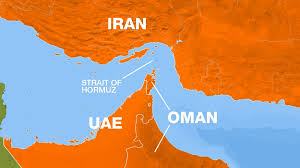
Strait of Hormuz: Strategic Chokepoint Shaping Global Oil Trade, Military Power, and Middle East Geopolitics
The Strait of Hormuz is the world’s most critical energy chokepoint, controlling nearly 20 percent of global oil trade. Explore the Strait of Hormuz importance, its shipping route, and its impact on geopolitics and global markets.