


















Apple iPad Air 11 (2024)
Apple iPad Air 11 (2024) runs iPadOS 17 and is powered by the Apple M2 chip for solid performance in apps and creative work. It has an 11-inch Liquid Retina display at 2360 × 1640 resolution. There’s a 12 MP rear camera and 12 MP front camera with Center Stage. Battery life lasts about 10 hours of browsing or video. It supports Apple Pencil and USB-C accessories.

Motorola Moto G77
The Moto G77 runs Android 16, powered by a MediaTek Dimensity 6400 chipset with Mali-G57 MC2 GPU.

Realme C75x
Realme C75x runs Android 15 with realme UI 6.0. It uses a MediaTek Helio G81 Ultra chipset and a 6.67‑inch HD+ 120Hz LCD screen.

Huawei nova 15 Ultra
Huawei nova 15 Ultra runs HarmonyOS 6.0 and is powered by a Kirin 9010S chipset. The 6.84-inch FHD+ LTPO OLED screen refreshes at 120Hz.

Apple iPad Pro 11 (2025)
11-inch Ultra Retina OLED screen at 120 Hz with HDR brightness up to 1600 nits. It has a 12 MP rear camera with LiDAR and a 12 MP front camera.

Xiaomi 17 Ultra
Xiaomi 17 Ultra runs on a Qualcomm Snapdragon 8 Elite Gen 5 (3 nm) with an Adreno 840 GPU (CPU up to ~4.6 GHz).

Samsung Galaxy Watch FE
Wear OS powered by Samsung with One UI Watch 5 on an Exynos W920 dual-core chip. 1.2-inch Super AMOLED. Battery is a 247 mAh screen (396×396) is bright and always-on.
Google Pixel 10 Pro Fold
Android 16 and is powered by the Tensor G5 chipset built on a 3 nm process with an octa-core CPU and PowerVR-series GPU (~1100 MHz).

Xiaomi Black Shark GS3 Ultra
1.43-inch AMOLED front display (466×466 resolution, up to 1000 nits) protected by 9H Gorilla Glass and a reinforced metal back frame.
Key Features
- 07 May 2024
- iPadOS 17.4, upgradable to iPadOS 26.2
- Apple M2 (3 nm)
- 128GB/256B/512GB/1TB
- eSIM
-
11.0 inches
1640 x 2360 pixels
-
8GB
LPDDR5
-
12MP
4K@24/25/30/60fps
-
Li-Po 7606 mAh
45W
Technical Specifications
Speed
HSPA, LTE, 5G - Cellular Model only
Network
2G Band
GSM 850 / 900 / 1800 / 1900
3G Band
HSDPA 850 / 900 / 1700(AWS) / 1900 / 2100
4G Band
A2903: 1, 2, 3, 4, 5, 7, 8, 11, 12, 13, 14, 17, 18, 19, 20, 21, 25, 26, 28, 29, 30, 32, 34, 38, 39, 40, 41, 42, 48, 66, 71
A2904: 1, 2, 3, 4, 5, 7, 8, 12, 13, 14, 17, 18, 19, 20, 25, 26, 28, 29, 30, 32, 34, 38, 39, 40, 41, 42, 48, 66, 71
5G Band
1, 2, 3, 5, 7, 8, 12, 14, 20, 25, 26, 28, 29, 30, 38, 40, 41, 48, 66, 70, 71, 75, 76, 77, 78, 79 SA/NSA/Sub6
Launch
Annoucement
07 May 2024
Availability
Available: Released 15 May 2024
Body
Height
247.6 mm
Width
178.5 mm
Thickness
6.1 mm
Weight
462 Gram
Build
Glass front, aluminum back, aluminum frame
Display
Screen Type
Liquid Retina IPS LCD, 500 nits (typ)
Screen Size
11.0 inches
Refresh Rate
120 Hz
Screen-to-body ratio
80.9%
Resolution
1640 x 2360 pixels
Aspect Ratio
3:2
ppi density
264 ppi density
Protection
Scratch-resistant glass
oleophobic coating
Durability
Stylus support
Operating Platform
OS
iPadOS 17.4, upgradable to iPadOS 26.2
Chipset
Apple M2
Chipset Size
3 nm
CPU
Octa-core (4x3.48 GHz performance cores and 4 efficiency cores)
CPU
Apple GPU (9-core graphics)
Memory
External Memory
No
Internal Memory
128GB 8GB RAM, 256GB 8GB RAM, 512GB 8GB RAM, 1TB 8GB RAM
Type of Memory
NVMe
RAM
8GB RAM
Type of RAM
LPDDR5 SDRAM
Camera
Single Camera
12 MP, f/1.8, (wide), 1/3.0", 1.22µm, dual pixel PDAF
Featues
HDR
Video
4K@24/25/30/60fps, 1080p@25/30/60/120/240fps; gyro-EIS
Selfie camera
Single
12 MP, f/2.0, 122˚ (ultrawide)
Feature
HDR
Video
1080p@25/30/60fps; gyro-EIS
Connectivity
WLAN
Wi-Fi 802.11 a/b/g/n/ac/6e, dual-band, hotspot
Bluetooth
5.3, A2DP, LE
Positioning
GPS, GLONASS
NFC
No
USB Type
USB Type-C 3.1 Gen2, DisplayPort, magnetic connector
Data
2G GSM, 3G HSPA, 4G LTE, 5G capable (Cellular Models only)
Features
Sensors
Fingerprint (top-mounted), accelerometer, gyro, compass, barometer, Ambient light
Loud Speeker
Yes, Stereo speaker
No 3.5mm jack
Battery
Type & Capacity
Li-Po 7606 mAh
Charging
Wired:
45W wired
Misc
SIM
eSIM
Color
Space Gray, Starlight, Purple, Blue
Price Range
128 GB Wi-Fi: Around $599 USD
256 GB: ~$699
512 GB: ~$899
1 TB: ~$1099
Apple iPhone 17 Pro Max
Huawei Enjoy 80
Honor Magic8
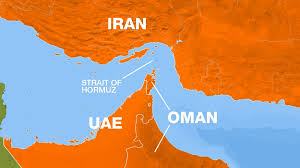
Strait of Hormuz: Strategic Chokepoint Shaping Global Oil Trade, Military Power, and Middle East Geopolitics
The Strait of Hormuz is the world’s most critical energy chokepoint, controlling nearly 20 percent of global oil trade. Explore the Strait of Hormuz importance, its shipping route, and its impact on geopolitics and global markets.
Rate Us
Latest Comments