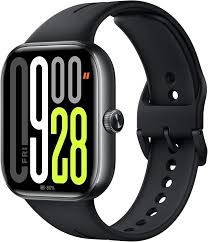













Xiaomi Watch 5
Xiaomi Watch 5 runs on a dual-chip setup led by a Qualcomm Snapdragon W5 (4 nm) with a dual-core CPU and integrated GPU for wearable tasks. The 1.54″ AMOLED front sits under sapphire glass, backed by a 930 mAh battery with magnetic charging for up to ~6 days normal/18 in power-saving, and runs HyperOS 3. There’s no dedicated camera; health sensors (ECG/EMG/SpO₂) handle tracking.
Key Features
- 26 December 2025
- Android Wear OS 6
- Qualcomm Snapdragon W5 Gen 1 (4 nm)
- 32GB
- eSIM
-
1.54 inches
480 x 480 pixels
-
2GB
LPDDR4X
-
No
-
Li-Po 930 mAh
Wireless
Technical Specifications
Speed
HSPA, LTE (Cellular Model only)
Network
2G Band
GSM 850 / 900 / 1800 / 1900
3G Band
HSDPA
4G Band
LTE
Launch
Annoucement
26 December 2025
Availability
Available: Released 26 December 2025
Body
Height
47 mm
Width
47 mm
Thickness
12.3 mm
Weight
56 Gram
Build
Sapphire crystal front, stainless steel frame (316L)
Display
Screen Type
AMOLED, 1500 nits (HBM)
Screen Size
1.54 inches
Resolution
480 x 480 pixels
ppi density
312 ppi density
Protection
Sapphire Glass
Mohs level 9
Durability
Waterproof (5ATM)
ECG certified
Operating Platform
OS
Android Wear OS 6
HyperOS 3
Chipset
Qualcomm Snapdragon W5 Gen 1 (4 nm)
CPU
Dual-core
CPU
-
Memory
External Memory
No
Internal Memory
32GB
Type of Memory
eMMC
RAM
2 GB
Camera
No
Selfie camera
No
Connectivity
WLAN
Yes, 2.4 GHz
Bluetooth
5.4, A2DP, LE
Positioning
GPS (L1+L5), BDS, GALILEO, QZSS, GLONASS
NFC
Yes
USB Type
No
Data
2G GSM, 3G HSPA, 4G LTE
Features
Sensors
Heart rate + blood oxygen, accelerometer, gyroscope, ambient light, electronic compass.
Loud Speeker
Yes
No 3.5mm jack
Battery
Type & Capacity
Si/C Li-Po 930 mAh
Charging
Wireless:
Wireless
Misc
SIM
eSIM
Color
Gray, Silver
Price Range
USD $95–$125
Rs 22,499–Rs 29,999
In The Box
Xiaomi Watch 5
Charging cable/adapter
User guide & warranty card
Apple iPhone 17 Pro Max
Huawei Enjoy 80
Honor Magic8
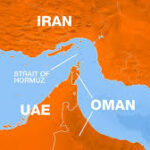
Strait of Hormuz: Strategic Chokepoint Shaping Global Oil Trade, Military Power, and Middle East Geopolitics
The Strait of Hormuz is the world’s most critical energy chokepoint, controlling nearly 20 percent of global oil trade. Explore the Strait of Hormuz importance, its shipping route, and its impact on geopolitics and global markets.